
Tuesday, December 31, 2013

Wednesday, December 18, 2013
Plumbing FAQs – Where Are My Shut-Off Valves Located?
 Water damage from failed or faulty plumbing systems is one
of the most common homeowners’ insurance claims. Leaks can be very costly and damaging to your
home – in order to minimize damage it’s important to familiarize yourself with
your home’s plumbing system and to know where your shut-off valves are
located.
Water damage from failed or faulty plumbing systems is one
of the most common homeowners’ insurance claims. Leaks can be very costly and damaging to your
home – in order to minimize damage it’s important to familiarize yourself with
your home’s plumbing system and to know where your shut-off valves are
located.
The location can vary depending on the house, but the most
common places are near your water heater, or in your crawlspace. There is also a shut off valve underground at
your water meter pit. If you are on a
well system, there should also be one near your well pump. Most fixtures should also have their own
individual shut off valves: your sink faucet shut offs should be underneath the
sink, a toilet’s shut off valve should be located to the side, and your washing
machine shut off valves should be located above the appliance in the washer box
recessed in the wall. Showers sometimes
do not have their own shut off valves, and if they do they are usually located
inside of the wall – so if you believe water may be leaking from a shower
fixture it would be best to turn the water off at the main. If all else fails, be sure that you have the
emergency number for your water service provider or plumber on hand.

In addition to your water main shut offs, it’s also
important to know where your main gas shut offs are located in case of a
leak. In most cases there will be a shut
off where the gas enters the home. If
you have a gas tank on your property, there should as be a shut off valve
located at the tank itself.
Being able to turn off your main in the event of a leak can
save your home from a substantial amount of damage. If you’re still not sure where your shut-offs
are located, just give us a call. We’d
be happy to give you a quick overview of your plumbing system, and even do a
preventative maintenance inspection to identify any potential trouble spots.
Wednesday, December 4, 2013
Reducing Your Water Usage
Did you know?
Click here to calculate your water footprint.

-The average home wastes about 9,000 gallons a year waiting
for hot water.
-Typically a family of four can use as much as 400 gallons
of water every day.
-Toilets account for roughly 27% of a home's water usage -
installing a newer, more efficient toilet could save over 10,000 gallons per
year.
-Less than 1% of publicly treated water is used for drinking
and cookingClick here to calculate your water footprint.

Wednesday, November 20, 2013
Holiday Plumbing Tips

The holidays are often the busiest time of year for plumbers. Sometimes issues can arise when you are not home, or because you have too many people in your home. Here are a few tips to reduce your chances of becoming victim to frozen pipes and common clogs:
-If travelling for the holidays, do not turn your heat below
60. It's also a good idea to turn your water off at the main shut off valve -
if a leak should occur while you are gone, this will minimize the damage.
-Avoid using flushable wipes - they are often not as
'flushable' as the manufacturer makes them out to be and can commonly cause backups.We hope everyone has a happy, problem-free Thanksgiving!
Thursday, November 7, 2013
Plumbing FAQs - Providing Your Own Plumbing Material
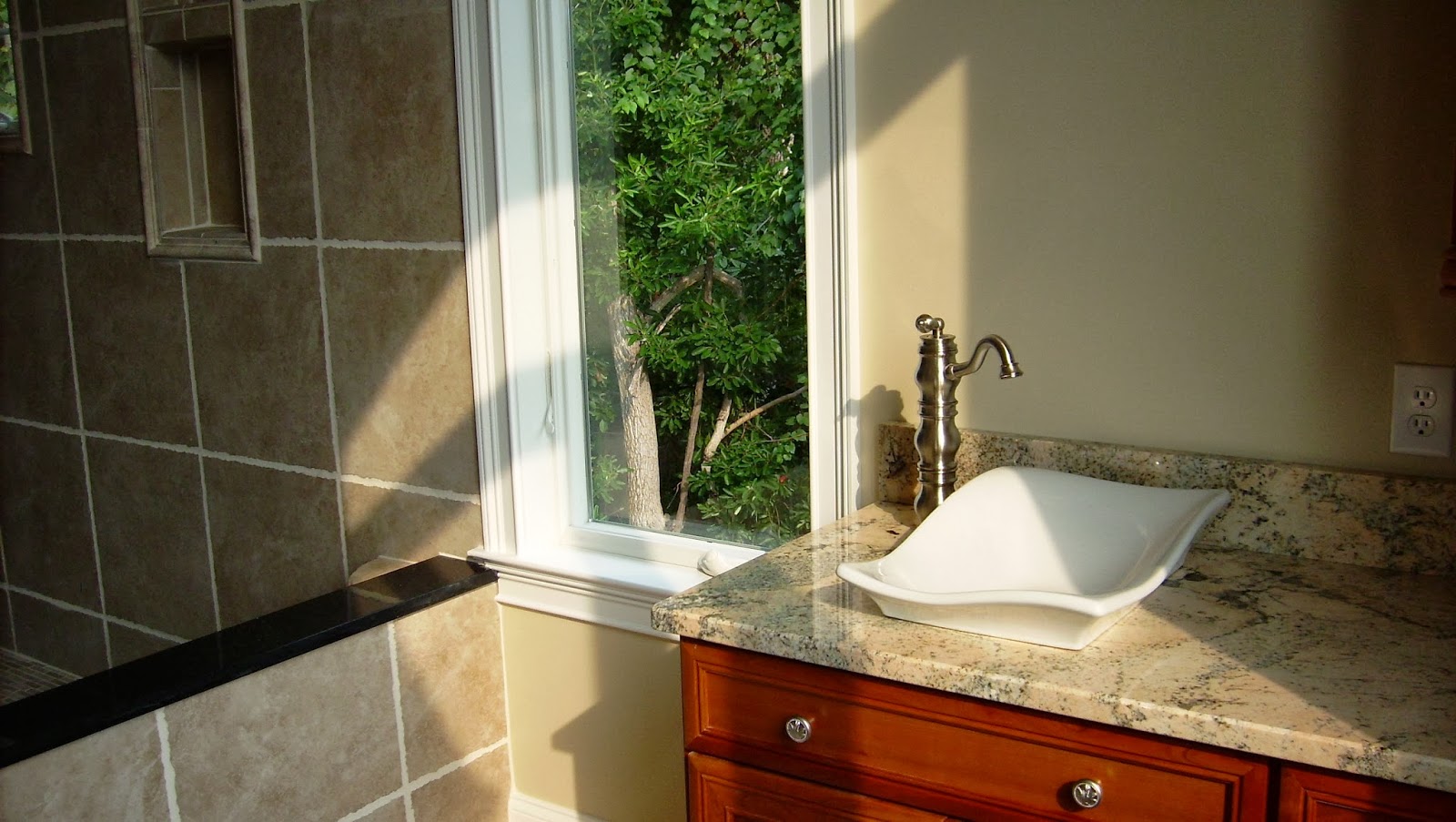
Often our customers pose the question: I found the same material for cheaper online
or in the store, can I provide my own faucets or material for you to install?
The answer to this question is yes in most situations (and assuming that a contract has not yet been signed), however there are
several things to consider if and when you decide to provide your own material:
· Cheaper
is not always better: In many cases
you may be able to find a faucet for cheaper online or in a big box store,
while the faucet may look the same from the outside and may even have the same
model number – it sometimes (not always) is made of cheaper plastic parts on
the inside, thus explaining the reason that it can be sold for less. So basically we can’t always guarantee the
quality of these products, but we can guarantee the quality of the plumbing products we can get through our suppliers.
· It’s not
always cheaper to provide your own material: In some cases we are able to provide the material
for less than you could get it on your own (just ask and we can give you a quote). Additionally, if we provide the
material, we can guarantee that we are bringing everything needed to get the
job done. There are certain required
items for some faucets or installations that a non-plumber may not be aware
of. We make every effort to be as
prepared as possible and communicate with our customers, but the best way to
ensure that we have everything we need is for us to supply the material. This ultimately reduces the amount of trips
we have to take to the supply house, which reduces the cost to the
customer. It can also reduce any
headaches if there is a problem with the product – it becomes our problem to
fix instead of yours.
· If we don’t
provide it, we can’t provide a warranty on it: We are faced with a myriad of plumbing choices, and some products are exponentially better than others – we have had
the opportunity to learn which plumbing products are best through years of
experience (some good and some bad, but nonetheless we have learned some
valuable lessons about durability and quality).
The plumbing products we choose to install are ones with quality
workmanship that we can trust and stand behind.
We have a 1 year warranty on our work – and if we provide the material,
we can help you if there is a material related issue. If you decide to provide the product you will
still receive our 1 year warranty on the labor/installation side of things, but
unfortunately we cannot warranty the material.
· Use caution
on where you buy your material: If
you do decide to provide your own faucets or material – we can most definitely
answer any questions you may have to make the process as hiccup free as
possible. But, exercise caution before
you buy – make sure that you check the store or website’s return and warranty
policies thoroughly. We can tell you
from experience that some sites and stores make it next to impossible to resolve
any material related issues or returns. Some things to look for in warranty and return
policies are:
o
Are there restocking fees?
o
Who pays for the return shipping?
o
What does your warranty cover specifically? Are there any replacement parts that are not
covered?
o
What kind of customer service reputation does
the company you are buying from have? If you do have a problem, will you spend hours
or days working with them, having to provide documentation to get it resolved?
o
Lastly, who pays for the labor on a warranty
issue? Most manufacturers will provide
parts to you, but you may still have to pay a plumber to come out and complete
the repairs.
If you find an item that you really like online or in a
store, then we can also find a comparable, quality item through our supplier
and provide it for you. If we provide
and install a faucet and a defect arises within one year, we take care of all
of this for you - ordering the replacement parts and coming back free of charge
to complete the repairs. After weighing the options, if you ultimately decide to provide your own material, we can help point
you in the direction of some tried and true products.
Thursday, October 24, 2013
Plumbing Winterization Tips

If you plan on being out of town this winter, here
are a few preventative tips to help protect your home from the colder weather while you're gone:
- Turn your water off at the main
- Turn on all faucets to drain all water from
the pipes
- Do not turn the heat below 60 degrees
- Open all sink cabinets to expose pipes
(leaving the cabinets closed can cause lower temperatures underneath the
sink, which could cause the water in the trap to freeze and crack your
pipes)
- Turn off the power or gas to your water heater to save on energy costs (You can also drain your water heater using
a garden hose)
Thursday, October 10, 2013
October is Rise Above Plastics Month
October is the Surfrider Foundation's Rise Above Plastics Month. Did you know that almost every single piece of plastic that has ever been created still exists in some shape or form? On top of that, there was more plastic produced between 2000-2010 than there was in the entire last century. Check out www.rapmonth.org for more information and eye-opening facts. Click here to find out what you can do to reduce your plastic usage.
 |
| Image from: http://www.freedomsphoenix.com/News/054849-2009-08-04-researchers-set-sail-for-the-great-pacific-garbage-patch.htm |
Subscribe to:
Posts (Atom)